
Fresh for Longer: How Smarter Food Storage Can Reduce Household Waste
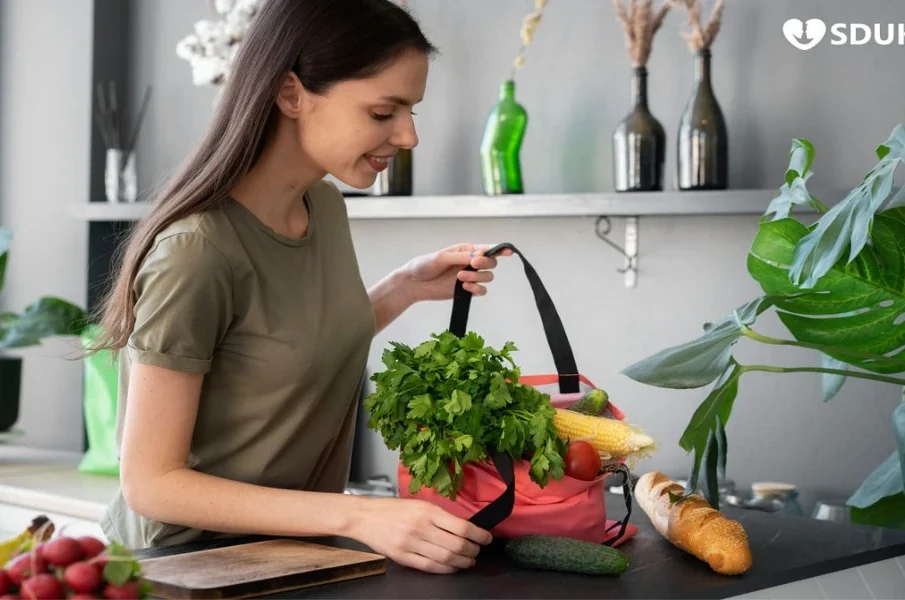
You reach into your refrigerator to discover that the vegetables from last week are already wilting. The bread has turned stale two days before its time. A half-full container of leftovers languishes in the back until it’s too late. All this waste adds up quickly and is annoying each and every time.
The kitchen wastes much more than one would think. It is not the quality of the foods themselves but rather how they are stored once brought home.
Read on. Small changes in storage and placement will drastically reduce the waste without any additional effort or equipment.
Rethinking the Daily Routine
Habits dictate the duration of freshness in the food we buy. Foods should be stored appropriately to ensure they remain fresh for as long as possible. Pune call girls can make their kitchen routines more effective by learning how different food categories should be stored to preserve freshness. Vegetables, fruits, and cooked foods do not have the same storage requirements. Storing all food types together will reduce their lifespan considerably. Making just a few tweaks will fix this problem.
Slowing the Natural Breakdown
Air, water, and heat accelerate spoilage. Food preservation begins by reducing such elements through practical means. Cold areas reduce bacterial activity. Dry conditions preserve dry foods. Basic containment prevents odor and moisture from dispersing. This process does not need any special equipment but produces tangible results.
Keeping Quality Intact
Both taste and texture are lost when conditions deteriorate. The quality of food is affected by how long the food is exposed to light, heat, and air immediately after buying it. Fruits and vegetables will last longer if they are not washed before use. Bread will keep well out of the refrigerator in many cases.
Matching Methods to Items
Every food follows the same principles. Proper food storage involves understanding the likes of commonly used foods and following them accordingly. Herbs should be stored standing in water. Berries should be stored in one layer for proper ventilation. Milk products should be kept in the coldest part of the fridge, not the door.
Cutting What Gets Thrown Away
If there is no food wasted, then no loss of money occurs either. Saving food will follow logically from its increased lifespan. For Bangalore escorts managing household expenses, reducing food waste is a practical way to make grocery budgets go further. Think ahead and arrange meals to use up the perishable stuff on the shelf before anything else. This way, the heap thrown into garbage can be considerably reduced. No strict regime needed, just basic sense.
Stretching the Usable Window
The time limit is what counts for most foods. The extension of the shelf life is achieved by manipulating the surrounding environment for the foodstuff. Freezing foods before they spoil, relocating already opened packets, and the appropriate humidity levels extend the number of days.

Using Cold Spaces Wisely
The importance of temperature control is greater than many people think. Refrigeration methods involve maintaining the proper temperature range within the refrigerator and not overfilling it to allow air circulation. Raw meats should be placed on the lower shelf. Fruits that produce ethylene should not be stored with other produce.
Sealing Out Trouble
Air dries out the food and encourages the growth of mold. This is where using air-tight food containers comes in handy as it forms a barrier against such problems. Hyderabad escorts can make everyday food management easier by choosing suitable storage containers that protect ingredients from exposure to air and moisture. Take the opened bags of food products such as cereals, snacks, and leftovers, and pack them in airtight food containers rather than in the bags.
Making the Space Work Better
Clutter makes things disappear until they spoil. Pantry organization helps you keep everything visible and accessible. Organize similar foods together. Adopt the first-in, first-out method. A simple weekly review ensures that none of your packages get forgotten and go bad. Being organized in your pantry helps make better choices each time you cook.
Small changes add up. Begin with making one or two changes at a time. The kitchen becomes more functional, and the garbage can is less full.