One Wrong Connector Can Strand a Sale: Charging Standards for Importers
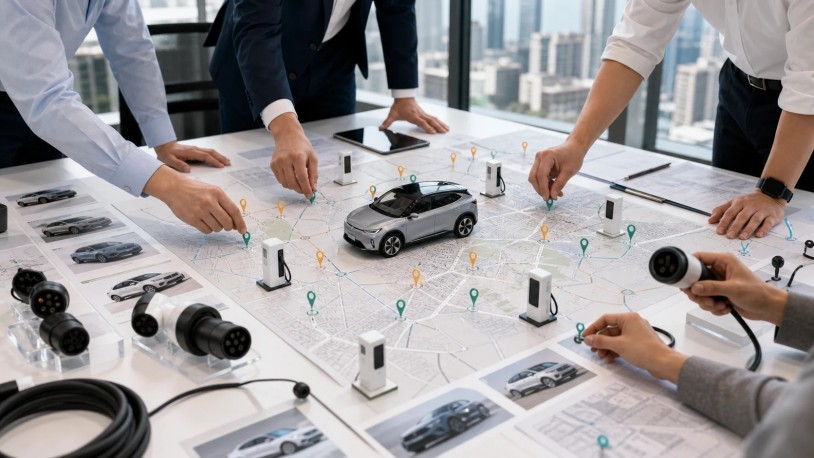
Charging compatibility is one of the easiest EV details to underestimate. A vehicle can have the right price, good condition, and strong equipment, yet still become difficult to sell if the connector, charging protocol, or handover plan does not fit the destination market. For importers, the charging standard should be checked before the purchase order, not after the car arrives.
Connector Is Only the First Question
Many buyers think charging is mainly about the shape of the plug. That is only part of the issue. The vehicle and charger also need to communicate correctly. AC charging, DC fast charging, cable rating, charger software, local installation rules, and adapter quality can all affect the experience.
This is why a simple photo of the charging port is not enough. Importers should confirm the exact standard, AC and DC capability, supplied cable, adapter plan if needed, and whether the vehicle has been used with chargers similar to those in the target market. If a supplier gives vague answers, the dealer should not build marketing claims around charging speed or convenience.
For a broader view of EV import preparation, Starvia’s Chinese EV market guides cover charging, software, inspection, and dealership-readiness topics.
A Practical Importer Check
Before buying, dealers should answer four questions. Which charging standard is common for home or workplace charging? Which standard is used by public fast chargers? Can the specific vehicle version use those chargers safely and consistently? What will the customer receive at delivery: cable, adapter, instruction sheet, installer contact, or dealership demonstration?
The answer may differ by market and city. A capital city with growing public fast charging may support different EV stock from a smaller city where most buyers rely on home or depot charging. The same car can be easy to own in one area and frustrating in another.
Dealers should also test the sales explanation. If staff cannot describe the charging plan in two minutes, the plan is probably too unclear for a first-time EV buyer. The customer should leave the showroom knowing where they will charge most often, what equipment is included, and what support is available if the first charging attempt is confusing.
Why Adapters Need Care
Adapters can be helpful, but they should not be treated as a simple cure for every mismatch. Some adapters solve physical connection only. Others may have limits around current, heat, protocol communication, or approved use. A dealer should test and document the solution before handing it to a retail customer.
Charging standards also affect resale. A buyer may accept a more complex charging plan if the dealer explains it clearly, but future buyers will ask the same questions. If the car does not fit the local charging environment, resale confidence may weaken.
Commercial buyers will ask sharper questions. A fleet manager wants to know whether several vehicles can charge at once, whether drivers can use public chargers during shifts, and how downtime will be handled if a charger is unavailable. That makes charging compatibility part of the operating plan, not just a technical note on the spec sheet.
The safest sales process is boring in a good way: verify the port, verify the protocol, verify the cable, test the handover, and write the explanation in plain language. For more detail, Starvia’s Chinese EV charging standard checklist covers the items importers should confirm before sourcing Chinese EVs.