How to Clean and Maintain Your Home’s Water Heater
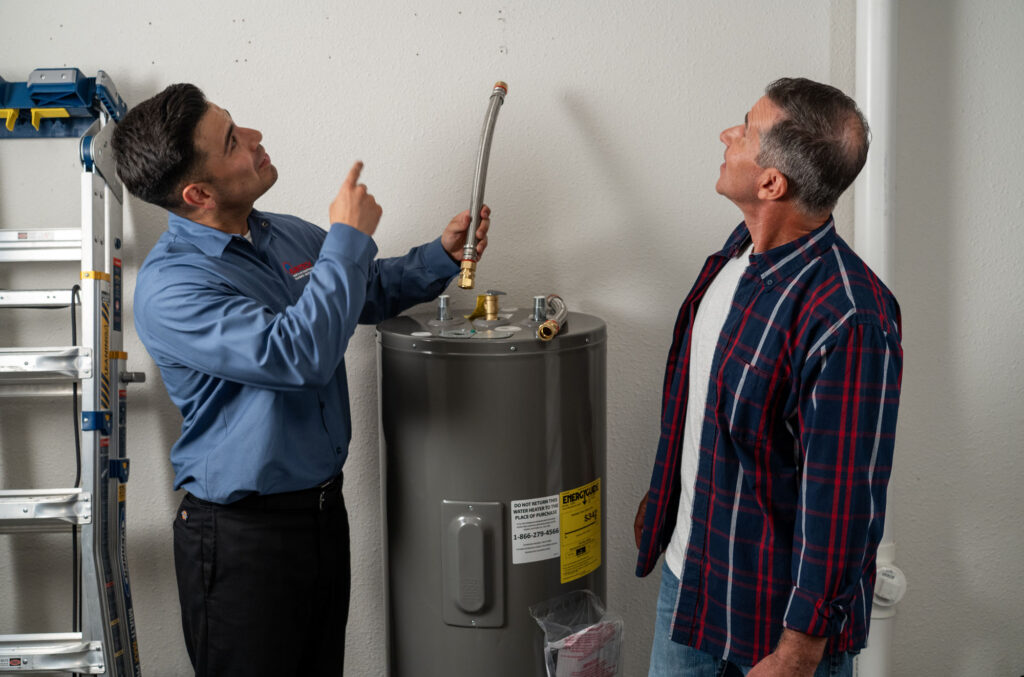
Your water heater isn’t exactly the star of your household, but it quietly works very hard behind the scenes. And like most hard-working things, it performs best when it isn’t ignored for years on end.
Leave problems to fester, and you may find yourself facing costly repairs, higher running costs, or a sudden and very unwelcome lack of hot water.
But fortunately, you don’t need specialist skills to care for it properly. So, read on to learn some easy hacks that will keep it in tip-top shape long-term.
Identify Your System
Before you touch anything, you need to know what type of water heater you have. Most homes have either a tank system or a tankless one.
If you’ve got a tank heater, it stores hot water, which means sediment gradually settles at the bottom over time. With a tankless system, water heats only when you need it, saving space and often energy, but mineral build-up can become an issue if you don’t flush it regularly.
You’ll also want to consider how your heater is powered. Gas models rely on clean burners to work efficiently, while electric heaters depend on heating elements that can wear down or collect scale.
In any case, you have to follow the manufacturer’s instructions to reduce the chance of build-up, inefficiency, and leaks.
Trust us, even if it seems complex now, once you know what you’re working with, maintenance will become straightforward and far less intimidating.
Prep Properly Before You Dive In
Before you start cleaning, you need to put safety first.
First things first, turn off the power or gas supply so you don’t end up dealing with electric shocks or flowing gas while you work.
Speaking of safety, go ahead and protect yourself with gloves and goggles; they’ll shield you from hot water, steam, and any cleaning products you’re using.
You should also drain the tank before doing anything else. Leaving water inside during cleaning can damage the internal components and undo all your hard work.
Finally, take a moment to look over the unit. If you spot corrosion, cracks, or leaks, it’s a sign to stop and call a professional rather than push on.
Roll Up Your Sleeves and Clean Your Heater
Once everything is safely shut off and prepared, you can move on to the cleaning itself. Here are some simple steps you can follow:
- If you haven’t drained the tank yet, attach a garden hose to the drain valve, guide it to a suitable outlet, and open the valve until all the water empties out.
- Next, check the anode rod. Use a spanner to loosen it, then inspect it for heavy corrosion or wear. If it’s in poor condition, replacing it now will help you protect the tank from rust.
- While you’re working in this area, clear any debris from the inlet filter so the water can flow freely.
- Now, if you’re dealing with a gas water heater, take a moment to inspect the burner assembly. Removing dust and debris will help the system run more smoothly and efficiently.
- Once everything is clean, reassemble the heater carefully, secure the anode rod, and close the drain valve.
- You can then refill the tank by reopening the water supply. When the tank is full, restore the power or gas and test the hot water to make sure everything is working as it should.
Prevent Breakdowns
Once you’ve handled the basics, the real secret to a reliable water heater is consistency. You don’t need to hover over it every week, but sticking to a few simple checks will help you stay ahead of problems before they turn into cold showers and expensive call-outs.
Flush the Tank Annually
Aim to flush the tank once a year to clear out sediment that builds up over time. This gritty residue settles at the bottom and forces your heater to work harder than it needs to, which drives up energy use and puts extra strain on the system.
A yearly flush will keep things running more efficiently and help your heater do its job properly, instead of wasting energy battling layers of hidden debris.
Check the Anode Rod Every One to Two Years
You’ll also want to check the anode rod every one to two years. This bit of metal does a vital job by controlling corrosion before it reaches the tank itself.
So, if it’s heavily worn or corroded, replacing it early can save you from far more serious damage down the line, and it’s a much cheaper fix than a full replacement.
Inspect the Insulation, Pipes, and Pressure Relief Valve
Every so often, take a quick look at the insulation and pipework around your heater. You should check for leaks, wear, or loose fittings that could waste energy or lead to water damage if left unnoticed.
While you’re at it, don’t forget about the pressure relief valve. Lift it gently to make sure the water flows freely and confirm that the system can release pressure safely when needed.
Book a Periodic Visit from a Domestic Cleaner
This might sound unexpected, but scheduling an occasional visit from a domestic cleaner can greatly help with maintenance.
You can hire a cleaner to keep the area around your water heater free from dust, debris, and clutter, making it easier for you to spot leaks, corrosion, or other early warning signs.
It also means your heater won’t be surrounded by build-up that restricts airflow.
Keep a Simple Maintenance Log
Finally, make life easier for yourself by keeping a basic maintenance log. These quick notes should cover what you’ve checked and when you’ve done it.
Over time, this will give you a clear picture of your heater’s condition and make scheduling future maintenance far less of a guessing game.
Know When to Step Back
At some point, you may run into an issue that you can’t fix yourself. If you notice electrical problems, gas faults, a pilot light that won’t stay lit, or a circuit breaker that keeps tripping, it’s time to call a professional.
You should also get help if leaks continue after you’ve tightened the fittings or replaced the washers, as this often points to internal damage.
Strange noises that persist even after flushing the tank are another sign that something more serious is going on.
A qualified specialist can inspect the system, fix issues safely, and advise you on how to keep your heater running efficiently. This is why booking annual professional servicing is the best way to prevent bigger problems and ensure your system stays safe and reliable.
Conclusion
Your water heater already works harder than most appliances, so a little care is the least it deserves.
Don’t wait for strange noises or cold-water shocks to force your hand. Try our tips now, give your heater some attention, and enjoy the luxury of hot showers.