
Air Conditioning Newcastle: Types, Climate Needs and Servicing Questions
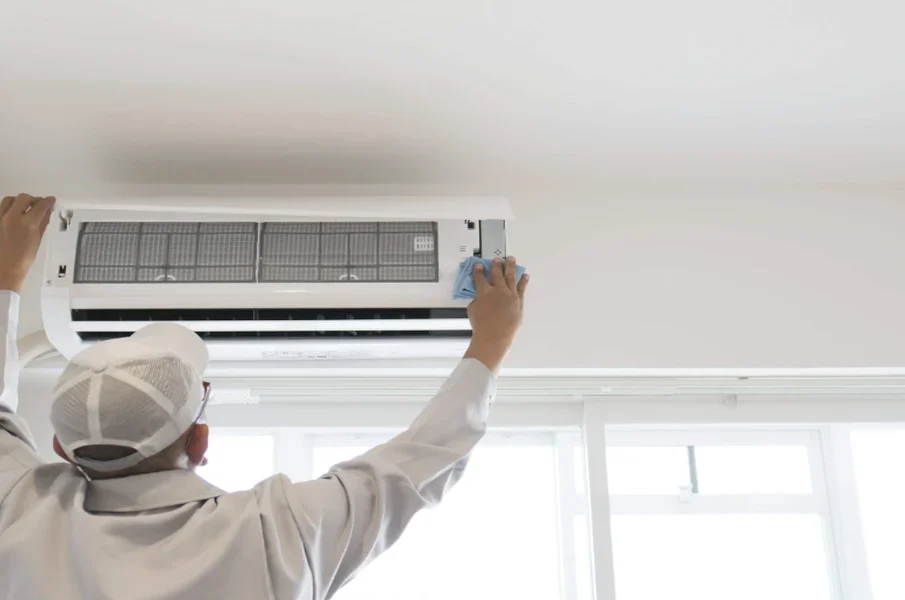
Reverse-cycle split-system air conditioners, which cool rooms in the summer and heat them in the winter, are found in the majority of Newcastle homes. They extract heat from the space, expel it outside, and then reintroduce conditioned air. This is how air conditioning in Newcastle homes rely on keeps indoor spaces comfortable throughout the year. Your system’s performance will be enhanced, indoor air quality will be maintained, and energy waste will be decreased with proper cleaning and maintenance. Here are some common queries and responses on the operation of these systems and the reasons they require maintenance.
Which types of air conditioner are most popular in Newcastle?
Different types of: Homes, shops, schools and warehouses are all used in
- Split systems: One indoor wall unit, one outdoor compressor. It’s the most common type for homes.
- Box or window units: A small single unit that is mounted into the wall or window opening.
- Ducted systems: One central unit distributes air to many rooms through ducts.
- Commercial units: Larger units, mostly for offices, factories and public buildings.
Why do we need cooling in Newcastle’s climate?
Newcastle has humid, muggy summers and is a seaside city. It can be extremely uncomfortable inside a home during a heatwave in the Hunter region, especially in older homes with inadequate insulation. It feels hotter than it actually is because of the humidity. Heat and moisture are removed from the air by an air conditioner. “It makes people feel more at home in the space, sleep better, and concentrate better.” Additionally, prevent heat damage to your electronics and furniture.
What is a Reverse Cycle Air Conditioner and How does it Work?
This unit contains refrigerant. It is a special liquid. It absorbs heat, and gives off heat when it changes from liquid to gas.
In cooling operation, the indoor coil removes heat from the room air. The refrigerant then takes the heat and carries it out to the outside unit. And it’s kicked out.
In heating mode, the same process is done in reverse. Even on a cool day it pulls heat from outside air and gives it up inside the room. It is less energy to move heat rather than create it. Such systems are called efficient.
Why does an air conditioner get dirty?
Dust, pollen, pet hair and moisture laden air are constantly passing through the unit. This material is then slowly deposited on the filters, coils, fans and drain trays.
An air conditioner’s interior is often warm, moist, and dark. These circumstances might lead to the growth of germs and mould in areas that are hidden from view. Wiping the surface or flushing the filters will remove some of the accumulation.
What problems can a dirty air conditioner cause?
When a unit is not maintained, several problems can occur:
- The airflow is low and the cooling is uneven
- When the unit starts up, a musty or stale smell
- Electricity bills increase, as the system has to work harder
- Water leaks because of blocked drain lines
- The unit’s lifetime is shorter and break downs are more
If the parts are clogged, then the compressor and the fan need to run for longer to reach the set temperature. Doing this extra work takes more energy, and it also wears out the components sooner.
Can a Dirty Air Conditioner Make You Sick?
Again and again, the indoor air passes through the unit. If it collects mould spores, dust or bacteria inside it can be pushed back into the room.
For people with asthma, allergies or sensitive airways, symptoms like sneezing, coughing or irritated eyes may appear. Children and older adults can be more sensitive to poor air quality as well. The air that circulates stays fresher and healthier when the system is clean.
How Often Should an Air Conditioner Be Serviced?
At least one time in a year, a service clean is usually advised. Spring is chosen by many people, because it comes right before the heavy summer use, after the cooler months when the unit stayed mostly idle.
In busy commercial places, or in homes with pets and dusty surroundings, debris can collect faster. These units may benefit from frequent service.
What Happens During a Professional Service Clean?
Much deeper than simple filter washing is a professional service. For a split system, a full clean normally has these steps:
- The cover is removed and the main parts of the indoor unit are opened
- Filters, coils, fans and drain trays are cleaned
- The drain line is cleared, so leaks can be avoided
- Treatments are applied to remove mould and bacteria
- The unit is put back together and its performance is tested
Some providers have a process with about 15 stages to bring the unit close to its original condition. The system is open and trained technicians also look for any signs of visible wear or faults.
How does servicing impact energy bills?
Clean coils make it easier for heat to move and clear filters let air flow without blocking. This means less pressure on the compressor and the fan.
An efficient unit reaches the set temperature faster and then shuts off for a period of time. The dirtier the unit, the longer it runs and the more energy it uses. When you look at a full year, the difference in the electricity bills becomes clear.
Conclusion
The best way of getting the most out of any system – and this applies to the air conditioning Newcastle homes and businesses rely on – is regular cleaning maintenance and checks. A well-maintained unit will provide you with consistent comfort, healthier indoor air, lower operating costs and will last through many hot summers and cool winters.